Proprietary Trading Overview: Understanding the Core of Prop Trading

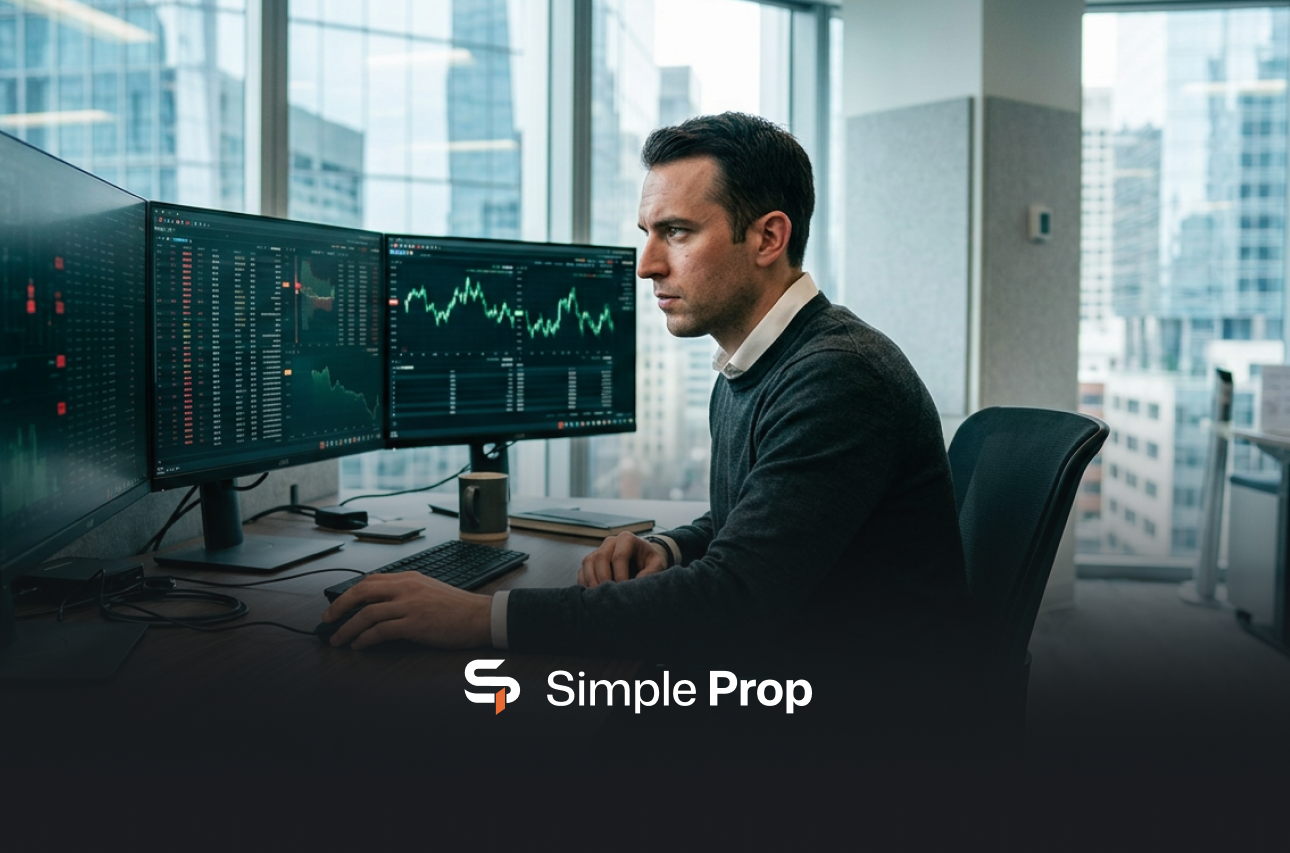
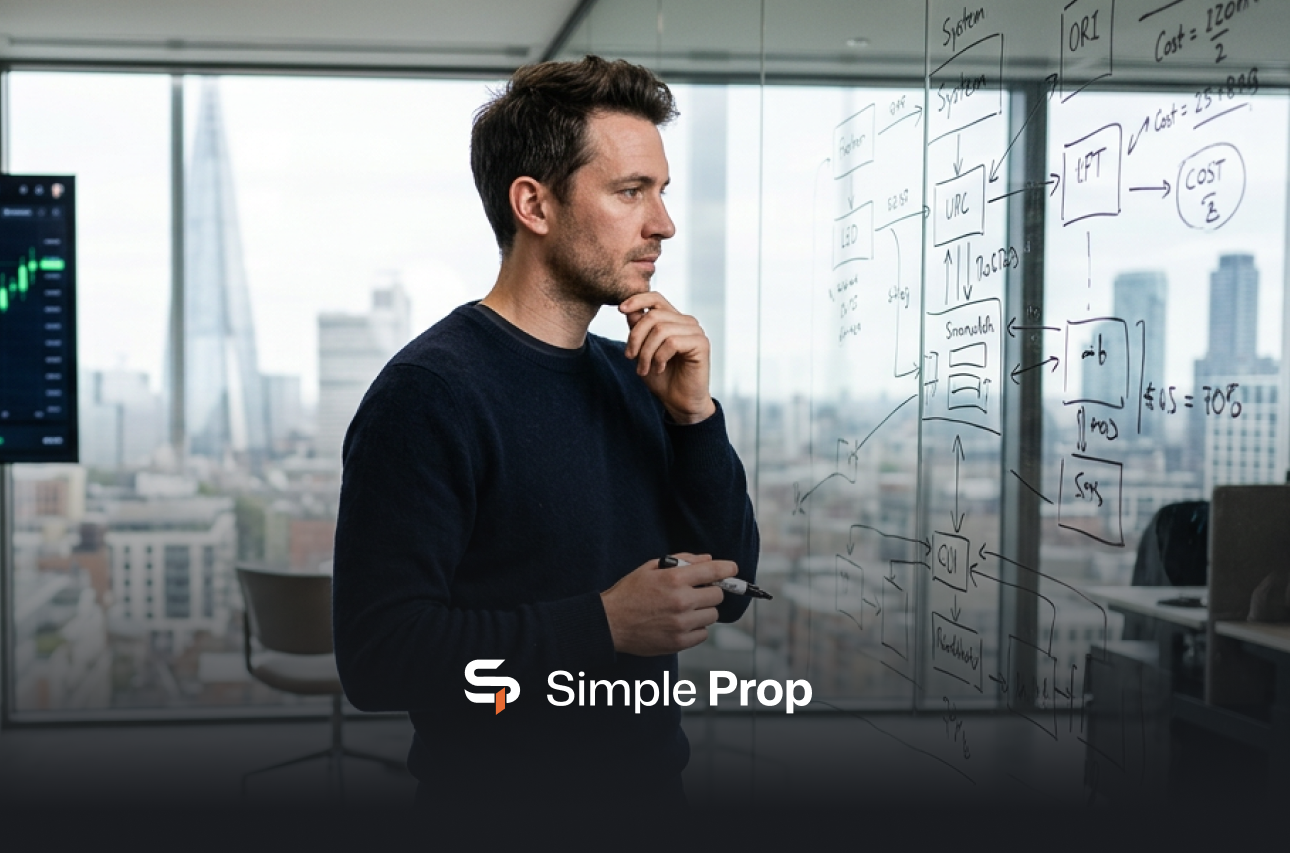
The Proprietary Trading Overview highlights the essential components, strategies, and benefits of this dynamic financial sector. Prop trading firms utilize their own capital to execute trades, leveraging advanced tools like algorithmic trading, AI in trading, and high-frequency trading (HFT) to maximize returns. This guide delves into the structure of prop trading, strategies employed, and the regulations shaping the industry.
What Is Proprietary Trading?
Proprietary trading, or prop trading, involves financial firms using their capital to trade in the markets. Unlike traditional brokerage models, prop trading firms focus on profit generation rather than earning commissions. These firms rely on a combination of skilled traders, advanced technology, and strategic analysis to thrive in ever-changing market conditions.
Key Features of Prop Trading Firms
- Capital Resources
Prop trading firms provide traders access to substantial funds, enabling them to execute high-value trades without risking personal capital. - Profit Splits
A significant part of the revenue-sharing model is based on profit splits, incentivizing traders to perform optimally. - Advanced Technologies
Tools like algorithmic trading and AI in trading enhance efficiency, accuracy, and profitability. - Focus on Risk Management
Effective risk management ensures the sustainability of operations by limiting exposure and protecting capital.
Frequently Asked Questions (FAQ)
1. What is proprietary trading, and how does it differ from traditional trading?
Proprietary trading involves firms trading with their own funds, focusing on profits, while traditional trading typically revolves around executing trades for clients and earning commissions.
2. How do prop trading firms handle risk management?
Prop firms use sophisticated tools, including algorithmic trading and automated systems, to monitor and limit risks in real-time.
3. What role do profit splits play in prop trading firms?
Profit splits motivate traders by allowing them to retain a percentage of the profits they generate, fostering a performance-driven culture.
Key Differences Between Proprietary Trading and Brokerage Models
Trading Strategies in Proprietary Trading
1. Algorithmic Trading
By employing pre-set rules and models, algorithmic trading automates decision-making and trade execution.
2. High-Frequency Trading (HFT)
This strategy involves executing thousands of trades in milliseconds to profit from small price discrepancies.
3. Arbitrage
Prop traders capitalize on price differences between markets or instruments, leveraging speed and precision.
4. Market Condition Adaptation
Analyzing market conditions allows firms to adjust strategies in real-time, ensuring relevance and profitability.
How Regulations Shape Proprietary Trading
Prop trading operates under specific trading regulations to maintain transparency and fairness. Key areas include:
- Licensing Requirements
Firms must adhere to regional licensing standards, ensuring compliance with local laws. - Capital Requirements
Minimum capital thresholds protect firms from insolvency during volatile markets. - Transparency Rules
Reporting and monitoring systems ensure that trades are executed ethically.
Bullet Point Summary: Benefits of Proprietary Trading
- Self-Funded Operations: No reliance on client funds ensures operational independence.
- Cutting-Edge Tools: Leverages technologies like AI and algorithms for precision.
- Performance Incentives: Profit-sharing motivates traders to excel.
- Risk Mitigation: Advanced systems manage exposure effectively.
- Flexibility in Strategies: Adaptable to changing market scenarios.
Glossary
- Proprietary Trading: The practice of firms trading with their capital for direct profit.
- Prop Trading Firms: Companies specializing in proprietary trading across various markets.
- Profit Splits: A revenue-sharing model where traders retain a portion of their profits.
- Algorithmic Trading: Automated trading based on pre-defined models.
- High-Frequency Trading (HFT): Executing numerous trades in milliseconds.
- Risk Management: Strategies to limit potential losses and safeguard capital.
- Trading Regulations: Laws governing trading practices to ensure ethical and transparent operations.
- Market Conditions: Factors influencing asset prices, including supply, demand, and macroeconomic trends.
Conclusion: The Significance of Proprietary Trading
This Proprietary Trading Overview underscores the importance of prop trading firms in financial markets. By employing advanced trading strategies, adapting to market conditions, and maintaining robust risk management, these firms not only drive innovation but also set benchmarks for efficiency and profitability.
Whether you’re a seasoned trader or exploring this dynamic field, understanding proprietary trading’s nuances can pave the way for success in a competitive environment. Embrace the opportunity to engage with prop trading firms and explore the future of finance today.